Tires are black because manufacturers add carbon black, a fine black powder made from partly burned oil or gas. Carbon black makes rubber much stronger, helps it resist wear, and protects it from the sun. Without it, your tires would wear out far faster.
Tires used to be white
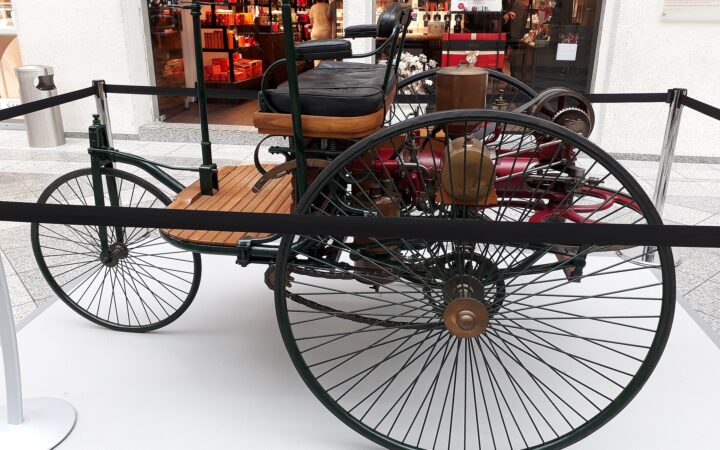
Natural rubber is a milky, off-white color. The first car tires in the late 1800s and early 1900s were light-colored. Manufacturers often added zinc oxide, a white compound, to strengthen them, which kept them pale.
Those tires didn’t last long. Drivers often had to replace them after just a few thousand miles.
What carbon black does
In the early 1900s, tire makers found that carbon black worked far better than zinc oxide as a reinforcing filler. Here’s what it does:
- Strength: Carbon black particles bond tightly with rubber molecules, making the compound tougher and more resistant to tearing.
- Wear resistance: Tires with carbon black last far longer against road abrasion.
- UV protection: Sunlight breaks down rubber. Carbon black absorbs ultraviolet light so it doesn’t damage the rubber underneath.
- Heat control: It helps conduct heat away from hot spots in the tread and belts, which matters at highway speeds.
Carbon black can make up a large share of a tire’s rubber compound by weight, which is why the whole tire is black, not just the surface.
What about whitewall tires?
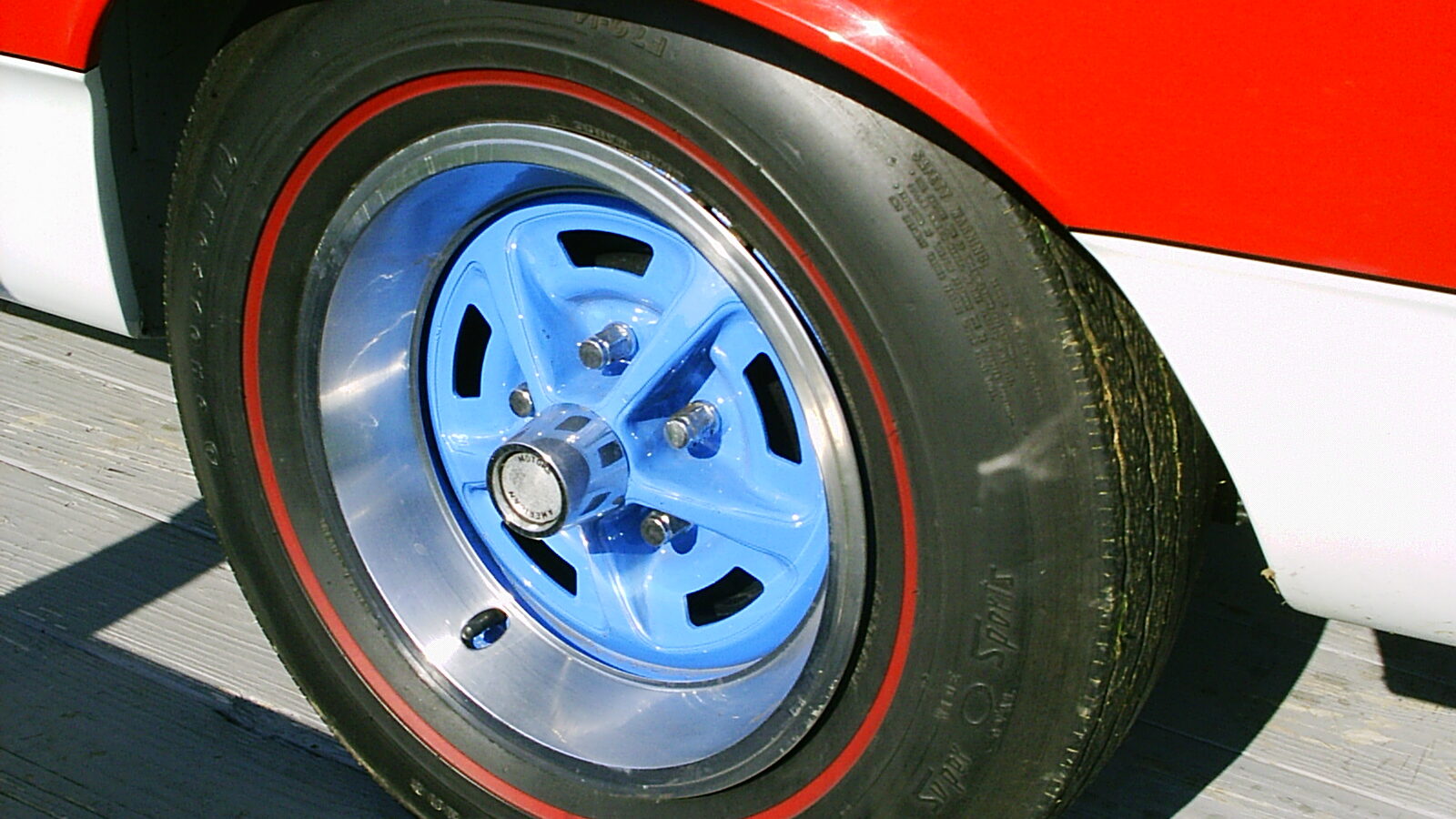
Whitewalls, popular from the 1930s through the 1960s, kept a band of white rubber on the sidewall for style. The tread that touched the road was still black. Today’s whitewalls and colored tires are mostly for classic cars, show cars, and bicycles.
Is anything replacing carbon black?
Many modern tires also use silica as a filler. Silica can lower rolling resistance (which improves fuel economy) and improve wet grip. Most tires use a blend of carbon black and silica, and they’re still black.
Bottom line
The color of your tires is a side effect of engineering, not style. Black tires last longer, grip better, and hold up to the sun. It’s one of the many fun car facts hiding in plain sight.