A VIN (vehicle identification number) is a unique 17-character code assigned to every car and truck. It works like a fingerprint. No two vehicles built in the last 40-plus years share one. The VIN tells you who built the car, where, what model year it is, and its serial number.
(Technically “VIN number” repeats itself, since the N already means “number.” Everyone says it anyway.)
When did VINs become standard?
Carmakers used serial numbers for decades, but each brand had its own format. NHTSA required a standard 17-character VIN for vehicles starting with the 1981 model year. Older cars may have shorter VINs.
Where to find your VIN
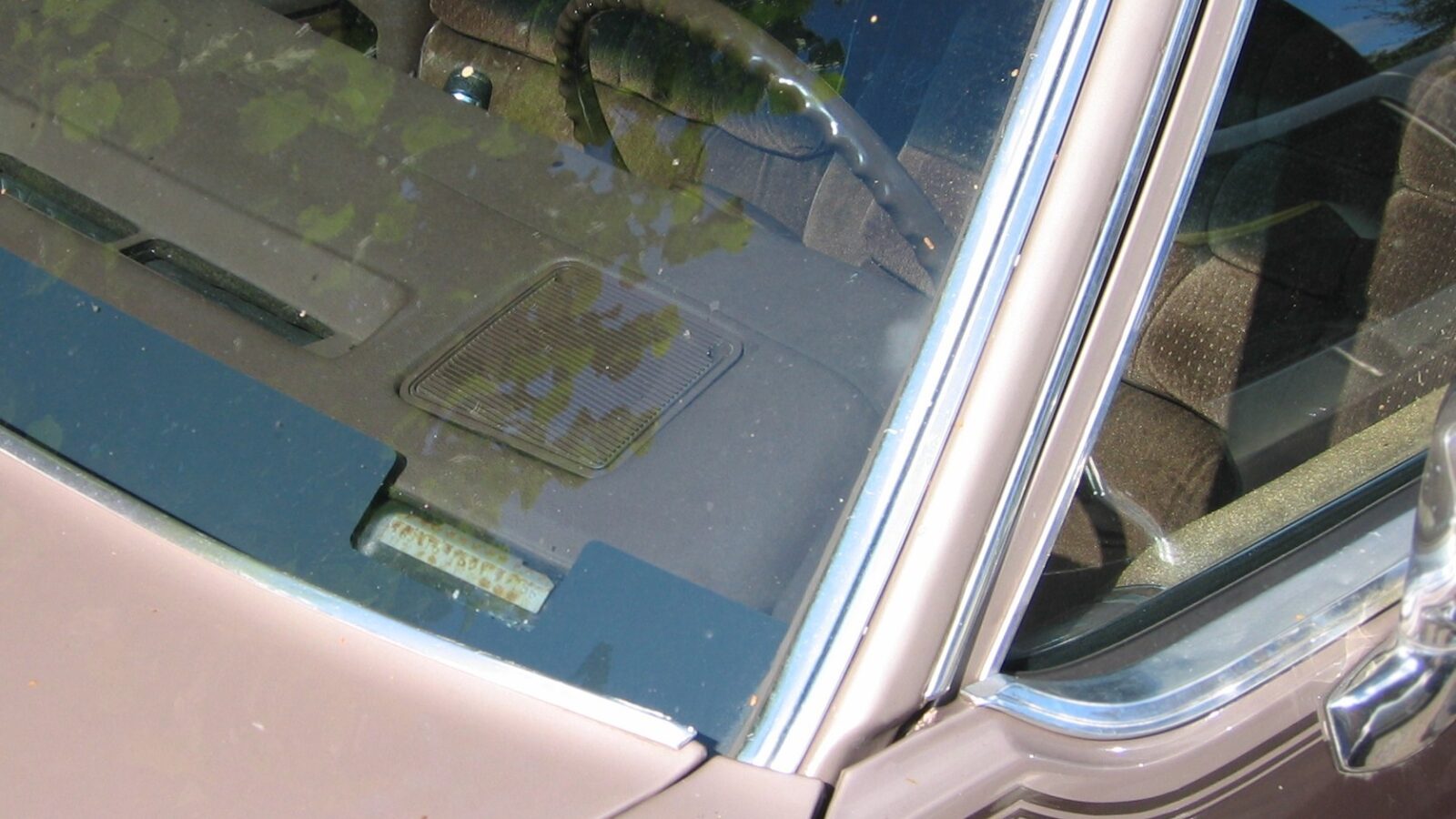
- On the driver’s side dashboard, visible through the bottom of the windshield
- On a sticker inside the driver’s door jamb
- On your title, registration, and insurance card
- Sometimes on the engine block or frame
How to read a VIN: the three sections
Characters 1–3: World Manufacturer Identifier (WMI)
The first character shows the country or region where the car was built. For example, 1, 4, and 5 mean the United States, 2 means Canada, 3 means Mexico, J means Japan, K means South Korea, and W means Germany. The next two characters identify the manufacturer and vehicle type.
Characters 4–9: Vehicle Descriptor Section (VDS)
These describe the model, body style, engine, and restraint systems. Each manufacturer decides its own codes here. In North America, the 9th character is a check digit, calculated with a math formula from the other 16 characters. It helps catch fake or mistyped VINs.
Characters 10–17: Vehicle Identifier Section (VIS)
- 10th character: model year (for example, A = 2010, L = 2020, T = 2026). The letter codes repeat every 30 years.
- 11th character: the assembly plant.
- 12th–17th characters: the production serial number.
Letters a VIN never uses
You will never see the letters I, O, or Q in a modern VIN. They’re left out because they’re easy to confuse with the numbers 1 and 0.
What can a VIN tell you when buying a used car?
Run the VIN before you buy. You can:
- Check for open recalls for free at NHTSA’s recall lookup.
- Check whether a car was reported stolen or totaled using the National Insurance Crime Bureau’s free VINCheck tool.
- Decode factory details such as engine and plant using NHTSA’s free VIN decoder.
- Buy a full history report from a paid service if you want accident and ownership records.
Also compare the VIN on the dashboard, the door sticker, and the title. If they don’t match, walk away.
Curious how the 17-character code started? It’s one of our favorite fun car facts.